Call us on (212) 901-5705
Live Spot-Price Gold Buyers31 W 47th Street, New York
gold
Licensed NYC buyer, Lic# 2134780-DCWP, 47th Street Diamond District.
By Sophia Bennett, InstaGold, September 30, 2026
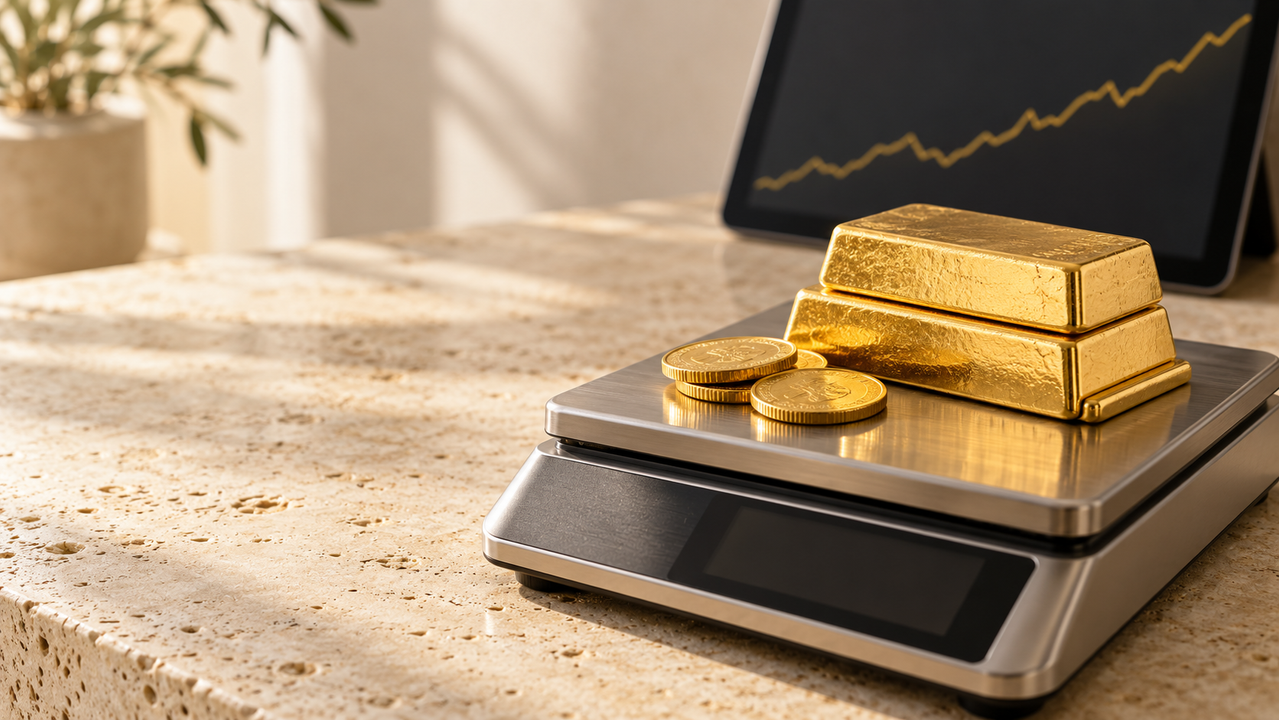
Quick answer: almost no retail gold buyer pays the full spot price, because spot is the wholesale price of pure gold on the global market and every buyer has to cover testing, refining and resale. The buyers that get closest to spot in New York are working refineries in the Diamond District, because they refine the gold themselves and skip the middleman. Pawn shops and mail-in services typically pay the furthest below spot. The right question is not "who pays spot" but "who pays closest to spot, and shows their working."
"Where can I sell gold for spot price?" is one of the most searched questions by people selling gold in New York, and it deserves a straight answer rather than a sales pitch. This guide explains what the spot price actually is, why it is not what you get paid, who pays closest to it, and how to make sure you are getting a fair share of it.
What is the gold spot price?
The spot price is the current market price for one troy ounce of pure, 24 karat gold, delivered immediately. It is set by trading on global markets and it changes constantly during the trading day. When you see "gold at $X an ounce" in the news, that is the spot price. It is quoted for pure gold, in troy ounces (about 31.1 grams), and it is a wholesale benchmark, not a retail offer.
Two things follow from that definition, and both matter when you sell:
Why don't gold buyers pay spot price?
Because it is a business, not a charity, and the gold has to be turned back into money. Between your jewelry and a sellable bar of pure gold sit several steps and costs:
Every buyer subtracts something for these. The difference between a good buyer and a bad one is how much they subtract and whether they tell you.
Who pays closest to spot price in New York?
Working refineries. A refinery buys your gold and processes it in house, so it does not have to sell your scrap on to another company that takes its own cut. That shorter chain is the single biggest reason a refinery can pay more than a reseller. In the Diamond District, a handful of buyers are refineries as well as buyers. InstaGold is one of them: a licensed New York City buyer and refinery at 31 W 47th Street, Suite 202, that prices every item against the live spot price on the day you sell.
Here is how the main buyer types compare on a typical piece of 14K jewelry:
How is my gold's value actually calculated?
The maths is simple, and a fair buyer will do it in front of you. Three numbers decide it:
Worked example, using an illustrative spot price of $2,500 per troy ounce. Divide by 31.1 grams and pure gold is worth about $80.39 per gram. A 20 gram 14K chain is 58.3 percent gold, so it contains about 11.66 grams of pure gold, worth about $937 at spot. A refinery buyer paying close to spot might offer a high percentage of that figure. A pawn shop might offer less than half of it for the same chain. Same gold, same day, very different money.
The example uses a made-up spot price to show the method. The real figure changes daily, and a good buyer will tell you the live number when you ask.
What percentage of spot is a fair offer?
There is no law fixing it, but as a rule of thumb: a strong offer on gold jewelry sits in the high range of spot for the gold content, a mediocre offer is somewhere in the middle, and anything below half of spot content is a poor deal. Bullion coins and bars from known refiners trade closest to spot because they need no refining. Broken or mixed-karat scrap sits a little lower because it costs more to process. The key is that the buyer states the percentage or the per-gram rate openly. If they only give you a total with no breakdown, you cannot judge it.
How do I know if a buyer is being honest about spot?
Five signals separate a transparent buyer from one who is hiding the margin:
A buyer who refuses any of these is not necessarily dishonest, but you have no way to check them, and that is reason enough to go elsewhere.
Does the type of gold change what I get?
Yes, meaningfully:
Does timing matter when selling for spot?
A little. Because the spot price moves daily, selling on a strong day pays more than a weak one. You do not need to time the market like a trader, but it is worth glancing at the price before you go. Over the long run, the buyer you choose matters far more than the day you choose.
Step by step: getting paid close to spot in NYC
Does the same logic apply to silver and platinum?
Yes, with two differences. Silver has its own spot price, much lower per ounce than gold, so silver is usually sold in larger quantities (flatware, serving pieces, coins) to be worthwhile, and buyers pay a somewhat lower percentage of spot because the per-gram value is small relative to processing cost. Platinum also has its own spot price and is often overlooked because it is mistaken for silver or white gold. A refinery buyer that tests properly will identify platinum and price it on its own spot rate, which can be a pleasant surprise for a seller who assumed a ring was silver.
How much gold do I need to make selling worthwhile?
Less than most people think. There is no minimum at a refinery buyer. A single 14K chain is worth bringing in, and small pieces add up quickly once they are weighed together. The mistake is to hold back small or broken items on the assumption that they are not worth the trip. Bring everything, have it sorted and weighed as a lot, and let the numbers speak.
Do refineries buy directly from the public?
Some do, and those are the buyers to look for. Many refineries only deal with trade customers, jewelers and other dealers, which is why the public often ends up selling to a middleman who then sells to the refinery. A refinery that also runs a public buying office, like InstaGold on 47th Street, cuts out that step. That is the whole reason a refinery buyer can pay closer to spot: your gold goes straight from your hand to the furnace, with nobody in between taking a margin.
Frequently asked questions
Does anyone pay full spot price for gold?
Effectively no. Spot is the wholesale price of pure gold. Every buyer must cover testing, refining and resale, so the realistic goal is a high percentage of spot, not all of it.
Who pays the most for gold in NYC?
Licensed refinery buyers in the Diamond District generally pay closest to spot, because they refine in house and skip the middleman.
What is the spot price of gold today?
It changes throughout the trading day. Check a live gold price source before you sell, and ask the buyer to state it.
Is 14K gold worth spot price?
14K is 58.3 percent gold, so it is worth 58.3 percent of spot for its weight, minus the buyer's margin. Only 24K gold is priced at full purity.
Do gold buyers pay more for coins than jewelry?
Usually, yes. Bullion coins and bars need no refining and have known purity, so they trade closest to spot.
How can I tell if I am being lowballed?
Calculate your gold content and its spot value yourself, then compare it to the offer. If the offer is below half the spot value of the content, it is a poor deal.
Is it safe to sell gold for spot price at a refinery?
At a licensed refinery buyer, yes. Everything is tested and weighed in front of you and payment is immediate.
Sell your gold at a live spot-based price
InstaGold is a licensed New York gold buyer and refinery at 31 W 47th Street, Suite 202, in the Diamond District. We test and weigh your gold in front of you, price it against the live spot price on the day, explain the number, and pay the same day. Anyone who wants to get cash for gold in NYC at a fair, transparent rate can walk in Monday to Friday, 9am to 5pm, or request a free online offer first. No appointment, no pressure, no obligation.

Sophia Bennett
Precious Metals & Luxury Watch Specialist
Sophia Bennett is a precious metals and luxury watch specialist at InstaGold, with experience evaluating gold jewelry, coins, bullion, Rolex watches, and other high-value pieces. Based in New York’s Diamond District, she helps sellers understand what influences an item’s value and guides them through a private, straightforward appraisal process.
Reviewed for accuracy by the InstaGold team.